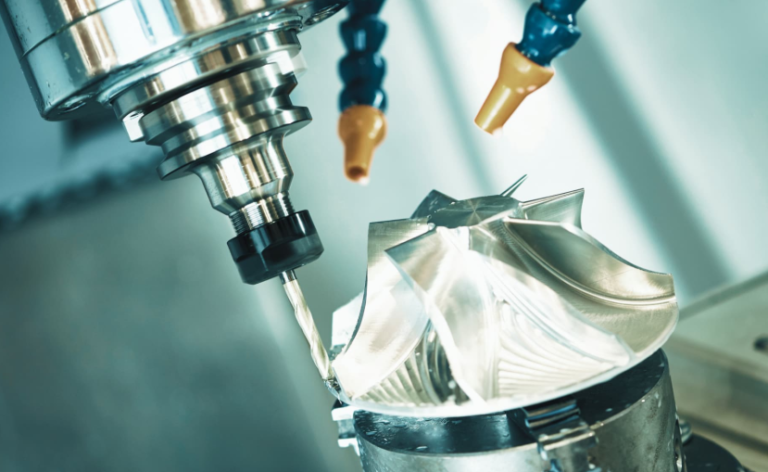
The Rise of Composite Manufacturers in India
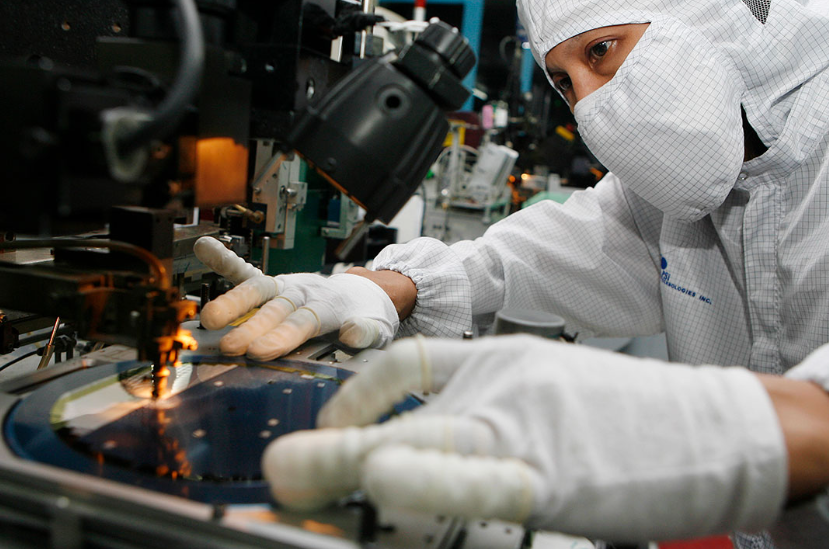
Over the last decade, the Indian manufacturing landscape has undergone a significant transformation. Industries are increasingly shifting from conventional metals to advanced materials that offer better strength, durability, and flexibility. This shift has placed composite manufacturers in India at the center of innovation.
Composites—materials made by combining two or more different substances—have become essential in industries where performance, weight reduction, and long-term durability matter. From cars and aircraft to wind turbines and sports equipment, composites are now everywhere.
As demand grows, Indian composite manufacturers are stepping up with improved production capabilities, advanced technologies, and custom solutions tailored to industry needs.
Why Composites Are Becoming So Popular
Industries prefer composites for various reasons, many of which directly impact performance and sustainability:
1. Lightweight Advantage
Composites weigh significantly less than metals like steel and aluminum, making products easier to handle, transport, and operate.
2. High Strength and Durability
Despite being lightweight, composites are robust, long-lasting, and corrosion-resistant, making them ideal for harsh environments.
3. Flexibility in Design
Manufacturers can mold composites into complex shapes, enabling creative designs that aren’t possible with metals.
4. Better Energy Efficiency
In vehicles and wind turbines, lightweight composites directly improve efficiency and performance.
5. Cost-Effective Long-Term
Although the initial cost may be higher, composites tend to last longer and require less maintenance, reducing long-term expenses.
Industries Benefiting from Composite Manufacturers in India
The impact of Indian composite manufacturers is evident across a wide range of sectors:
1. Automotive & Electric Vehicles
India’s booming EV industry depends heavily on composites. Manufacturers use composite materials for:
- Body panels
- Battery covers
- Interior parts
- Structural reinforcements
The weight savings directly improve performance and range.
2. Aerospace & Defense
Indian aerospace companies use composites for:
- Drone structures
- Aircraft interiors
- Unmanned vehicle frames
- Structural supports
The strength-to-weight ratio makes composites ideal for flight applications
3. Renewable Energy
Wind energy companies rely on composites to manufacture strong yet lightweight turbine blades. Composites help turbines withstand extreme weather while improving energy efficiency.
4. Construction & Infrastructure
Composites are increasingly used in bridges, panels, safety enclosures, and structural elements due to their weather resistance and long life.
5. Sports & Recreation
Products like bicycles, rackets, helmets, and kayaks perform better and last longer when made from lightweight composite materials.
See also: Green Technology How Kenneth MyGreenBucks is Leading the Way
The Growing Ecosystem of Composite Manufacturers in India
India’s composite manufacturing industry has grown rapidly, supported by new technologies, research investments, and government initiatives like “Make in India.” Today, manufacturers produce a wide range of composite materials, including:
- Carbon fibre composites
- Glass fibre composites
- Hybrid composites
- Prepreg materials
- Custom woven reinforcements
These advancements allow Indian companies to compete with global manufacturers and reduce dependence on imports.
Many manufacturers also partner with trusted reinforcement solution providers, such as Bhor Chemicals and Plastics Pvt. Ltd, known for supplying premium-quality composite materials available at www.bhor.com. These partnerships help ensure a consistent supply of raw materials and improved quality control.
What Sets Good Composite Manufacturers Apart?
As the industry grows, certain qualities make top manufacturers stand out:
1. Consistent Quality
Reliable manufacturers maintain high standards at every step—material selection, production processes, and testing.
2. Modern Manufacturing Techniques
Advanced tools and processes allow for better performance and durability.
3. Custom Engineering Solutions
Good manufacturers work closely with clients to design composite components tailored to their applications.
4. On-Time Delivery & Support
Industries depend on timely supply, and reliable manufacturers ensure smooth operations.
5. Experience Across Sectors
The best manufacturers understand the unique needs of each industry and develop solutions accordingly.
Challenges Faced by Composite Manufacturers
Despite strong growth, the industry faces some challenges:
- High cost of raw materials
- Need for skilled engineers and technicians.
- Limited awareness among traditional industries
- High initial investment for advanced composite production
- Competition from global manufacturers
However, India’s composite sector continues to grow as demand increases across all major industries.
Future Outlook for Composite Manufacturers in India
The future looks promising. Several trends indicate continued growth:
- Expansion of the EV industry
- Rising renewable energy projects
- Increased demand for carbon composites
- Better domestic manufacturing infrastructure
- Growing adoption in consumer products
As sustainability and lightweight engineering become global priorities, India’s composite manufacturers will play an even larger role in the international market.
Conclusion
Composite manufacturers in India are reshaping the way industries build products—making them lighter, stronger, and more efficient. With applications across automotive, aerospace, renewable energy, sports, and construction, composites are becoming essential for modern engineering.
Manufacturers who collaborate with reliable reinforcement partners like Bhor Chemicals and Plastics Pvt. Ltd (bhor.com) is better equipped to deliver superior products that meet global standards. As demand continues to rise, India is well on its way to becoming a global leader in composite manufacturing.