How to Choose the Right Metal Foundry for Your Project
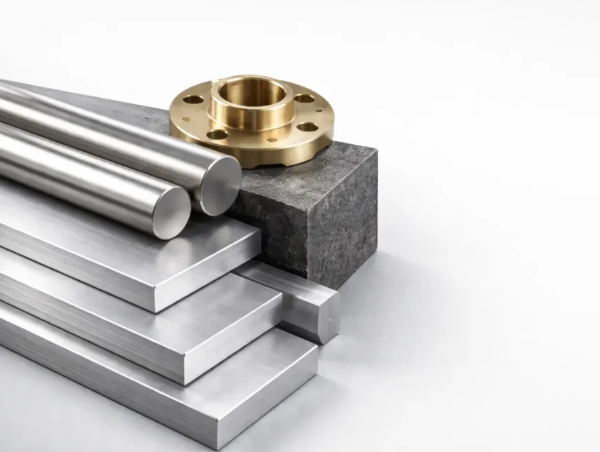
Choosing a metal foundry is a bigger decision than it looks. The quality of the casting affects how your product will function. When parts are made correctly – production goes smoothly. When they are not – delays and extra costs usually follow.
It is common to focus only on price at the beginning. That can lead to frustration later if quality or delivery becomes an issue. A good metal foundry offers more than just a cheaper price. It brings experience, steady quality and clear communication to the project.
When you know what to look for before choosing one – the decision becomes simpler and more confident.
Start With Your Project Requirements
Before contacting any metal foundry, define what your project truly needs. Clear specifications reduce confusion during early discussions.
Identify details such as:
- Type of metal or alloy required
- Expected production volume
- Tolerance levels
- Surface finish requirements
- Heat treatment needs
When expectations are clear from the start – conversations become productive instead of uncertain.
A serious foundry will ask detailed questions. That is usually a positive sign.
Evaluate Experience With Similar Projects
Not every metal foundry handles the same types of castings. Some specialize in heavy industrial components. Others focus on smaller precision parts.
Ask direct questions about past work. Examples include:
- Has the foundry produced similar castings before
- What industries does it commonly serve
- Can it share case studies or examples
- What challenges were solved in past projects
Experience with comparable applications reduces risk. Familiarity with your industry often leads to smoother production planning.
Review Quality Control Practices
Casting quality does not happen by accident. Strong inspection processes matter at every stage of production.
A dependable metal foundry should explain how it manages:
- Raw material verification
- Mold preparation standards
- In-process inspections
- Final dimensional checks
- Metallurgical testing
Ask about testing methods. Some facilities use chemical analysis to confirm alloy composition. Others perform hardness testing or microstructure examination.
Clear quality procedures reduce the chance of defective parts reaching your facility.
Assess Engineering and Technical Support
Engineering support can make a major difference during early design stages. Some foundries simply produce what is requested. Others help improve the design before casting begins.
Look for a metal foundry that offers:
- Design review feedback
- Suggestions for cost reduction
- Guidance on casting feasibility
- Support for pattern adjustments
Early technical input can eliminate costly revisions later. Collaboration during design will improve performance.
Understand Production Capacity
Production load can impact your schedule more than many expect. If a foundry is already running at full capacity – meeting tight deadlines can become difficult. Ask about:
- Current production load
- Average lead times
- Batch size flexibility
- Ability to scale production
Reliable scheduling will protect your supply chain. Delays can affect downstream manufacturing operations.
Examine Equipment and Process Capabilities
Modern equipment improves consistency. While tradition and craftsmanship matter, updated technology supports precision.
Inquire about:
- Furnace types and melting capacity
- Mold preparation systems
- Automated pouring equipment
- Finishing and machining capabilities
Advanced process control can lead to repeatable results. This consistency is essential for high-volume production.
See also: Common Myths About Flush Doors – Busted!
Consider Communication and Responsiveness
Communication quality can reflect operational discipline. Slow responses during early discussions may indicate future frustration.
Pay attention to:
- How quickly inquiries are answered
- Clarity in technical explanations
- Willingness to provide documentation
- Openness to plant visits or virtual tours
Strong communication will manifest confidence. Transparency will bring down uncertainty.
Review Certifications and Compliance
Certifications show commitment to structured standards. While not every project requires formal certification – many industrial sectors depend on it.
Look for compliance with:
- ISO quality standards
- Industry-specific regulations
- Documented safety practices
Documentation protects both parties. It also supports traceability if issues arise.
Evaluate Long-Term Partnership Potential
A casting supplier should not be viewed as a short-term vendor. Stable partnerships create efficiency over time.
A dependable metal foundry offers:
- Consistent product quality
- Predictable delivery schedules
- Ongoing technical dialogue
- Continuous improvement initiatives
Long collaboration will lead to better pricing stability and smoother coordination.
Compare Total Value, Not Just Cost
Initial price quotes do not reflect the total project cost. Poor quality can lead to:
- scrap
- delays
- repair expenses
When comparing options, review:
- Quality history
- Delivery performance
- Technical support availability
- Production flexibility
Lower cost does not always mean better value. Reliability can save more money in the long run.
Final Thoughts
Picking the right metal foundry takes more than comparing price quotes. Cost is important – but it is only one part of the decision. You also need clear answers about quality checks, engineering support and day-to-day communication.
A good foundry does more than pour metal. It helps during design, answers technical questions and stays involved until the final casting is delivered. This kind of support prevents small issues from turning into bigger problems.
Spending extra time asking questions now can save serious trouble later. The right choice today can protect your production schedule and your bottom line for years to come.