Closing the Gap: Identifying Hidden Liabilities in High-Stakes Property Acquisitions
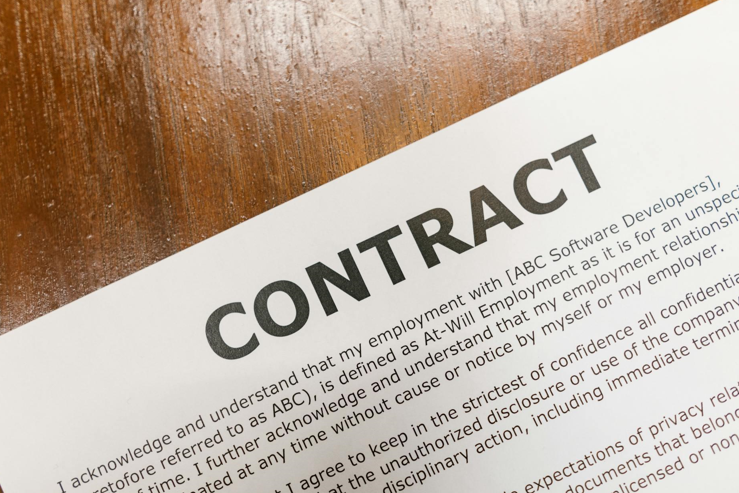
High-value property transactions often conceal liabilities that surface only after closing, transforming promising investments into protracted legal battles. Environmental contamination, zoning violations, tenant disputes and title defects represent merely the visible fraction of potential risks. Sophisticated buyers recognize that standard inspections rarely penetrate the layers of complexity inherent in commercial and luxury residential acquisitions. Protecting substantial capital requires forensic-level scrutiny.
The Strategic Role of Legal Expertise in Transaction Structuring
Engaging a real estate lawyer early in the acquisition process establishes a defensive perimeter against concealed obligations. Legal professionals decode municipal bylaws, assess covenant restrictions and verify ownership chains that laypersons overlook. Their involvement transforms due diligence from a cursory formality into a strategic intelligence operation. Contracts contain nuanced clauses that shift liability exposure, making professional review indispensable. Early legal counsel prevents deal structures that inadvertently assume predecessor liabilities. This proactive approach reduces post-closing litigation risk by identifying disqualifying factors before irrevocable commitments.
Environmental Assessments Beyond Standard Phase Reports
Phase I environmental assessments provide baseline contamination screening but rarely capture the full liability spectrum. Historical industrial activities, underground storage tanks and asbestos-containing materials demand specialized investigation protocols. Soil vapor intrusion and groundwater migration can originate from adjacent properties, creating unforeseen remediation obligations. Regulatory frameworks impose strict liability on current owners regardless of contamination origins. Buyers must commission targeted testing aligned with property history and surrounding land uses. Incomplete environmental due diligence transforms acquisitions into indefinite cleanup obligations that dwarf initial purchase costs.
Title Examination and Encumbrance Discovery Techniques
Title insurance provides essential protection yet does not replace comprehensive title examination by experienced counsel. Easements, rights of way and restrictive covenants frequently limit property utilization in ways that frustrate development plans. Unregistered liens, prescriptive rights claims and boundary disputes emerge through meticulous registry searches. Sophisticated transactions require examination extending beyond standard 40-year title searches to capture historical encumbrances. Survey discrepancies between legal descriptions and physical occupation create ownership ambiguities. Thorough title analysis prevents acquiring properties with unmarketable defects that impede future disposition or financing.
Mechanics of Lien Priority and Subordination Agreements
Understanding lien hierarchy determines which creditors receive payment priority during foreclosure or sale. Construction liens, tax arrears and judgment liens attach in sequences governed by registration timing and statutory provisions. Subordination agreements modify default priority rankings, enabling specific financing structures. Buyers inheriting properties with existing encumbrances must verify lien amounts, payment statuses and potential priority disputes. Failure to resolve lien clouds before closing transfers payment obligations to purchasers. Professional lien searches coupled with title opinion letters establish clear ownership pictures. These safeguards prevent post-acquisition discoveries that subordinate buyer interests to undisclosed creditors.
See also: Advanced Digital Network 510866484 for Businesses
Tenant Lease Audits and Occupancy Obligation Analysis
Income properties derive value from tenant cash flows, making lease portfolio analysis essential to accurate valuation. Rent concessions, renewal options and expansion rights create future obligations that impact property income projections. Tenant improvement allowances and relocation rights impose capital expenditure requirements on new owners. Estoppel certificates verify tenant claims regarding lease terms, rent payments and landlord default allegations. Discrepancies between actual occupancy and lease documentation signal potential disputes or undisclosed modifications. Buyers must reconcile rent rolls with deposited payments and assess delinquency patterns. Thorough tenant audits prevent acquiring properties where rental income assumptions prove unachievable.
Regulatory Compliance Verification Across Multiple Jurisdictions
Properties straddling municipal boundaries or governed by overlapping regulations require compliance verification across multiple agencies. Zoning conformity, building code adherence and occupancy permits demand systematic review against current regulatory standards. Fire safety systems, accessibility modifications and energy efficiency standards evolve constantly, creating retrofit liabilities. Heritage designations and archaeological concerns impose preservation obligations that restrict alterations. Buyers must obtain confirmation letters from all relevant authorities verifying compliance and outstanding violation statuses. Regulatory gaps discovered post-closing generate correction costs and operational disruptions that undermine acquisition economics.