Solving Low Oxygen Problems in Ponds with Fountain Aeration Systems
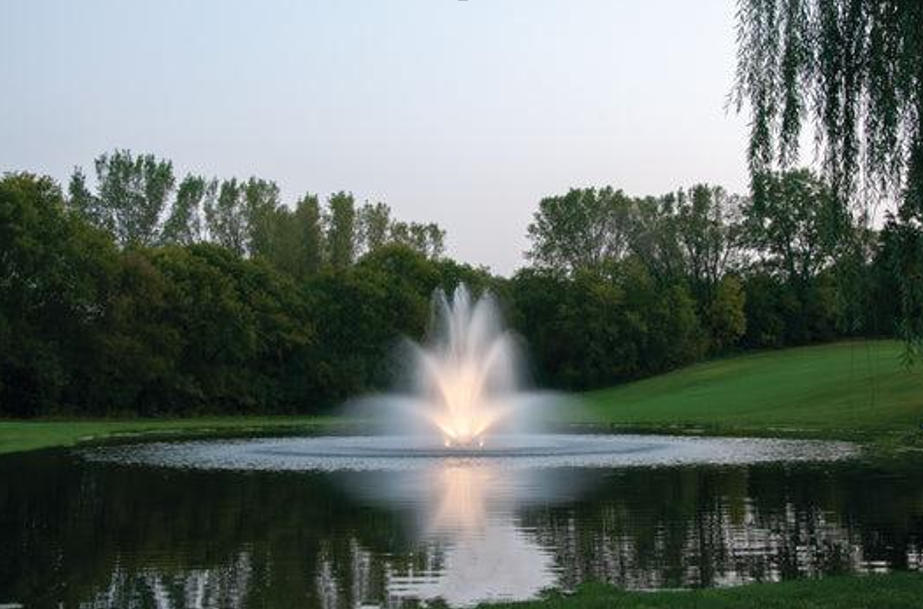
Low oxygen levels kill fish faster than most pond owners expect. You check your pond one morning and find fish gasping at the surface. By afternoon, some are dead. This scenario plays out thousands of times each summer across the country. The problem gets worse in warm weather. Water holds less dissolved oxygen as temperatures climb. A pond that seemed fine in May can turn into a death trap by July. Kasco fountains help prevent these oxygen crises by continuously circulating and aerating the water.
Why Oxygen Levels Drop So Fast
Warm water is the first culprit. When water temperature hits 85°F, it holds about 40% less oxygen than it does at 50°F. Your fish need the same amount of oxygen to survive, but there’s less available. Kasco fountains combat this problem by increasing surface agitation, which enhances oxygen transfer into the water.
Algae makes things worse. During the day, algae produce oxygen through photosynthesis. Sounds good, right? Here’s the problem. At night, algae consume oxygen. A pond choked with algae can experience oxygen swings from 12 mg/L during the day to below 3 mg/L before dawn.
Most fish species start showing stress below 5 mg/L. They die below 2 mg/L.
Decomposing organic matter drains oxygen, too. Dead leaves, fish waste, and uneaten food settle to the bottom. Bacteria break down this material and consume oxygen in the process. A pond with a thick layer of muck on the bottom is burning through oxygen 24 hours a day.
Thermal stratification adds another layer of trouble. Deep ponds develop distinct temperature layers in summer. The warm surface layer has some oxygen from wind and atmospheric contact. The cold bottom layer has almost none. Fish get trapped in a shrinking zone where temperature and oxygen levels are both tolerable.
What Happens When Oxygen Runs Out
Fish aren’t the only victims. Beneficial bacteria that break down waste need oxygen to function. When oxygen drops, these bacteria die off. Anaerobic bacteria take over. These organisms produce hydrogen sulfide, which smells like rotten eggs and is toxic to fish.
The water turns darker. Clarity drops. The whole ecosystem shifts toward decay rather than life.
Property values take a hit, too. A pond that smells bad and has dead fish floating in it doesn’t attract buyers. Homeowners’ associations get complaints. Recreation stops.
How Fountain Aeration Systems Work
Floating fountains push water into the air. Droplets spread across a wide area and fall back to the surface. This process does two things at once.
First, it exposes water to air. Oxygen dissolves into the droplets as they spray upward and fall. A single fountain can transfer several pounds of oxygen per hour into a pond, depending on spray pattern and motor size.
Second, it breaks up stratification. The fountain pulls water from different depths and mixes it together. Cold, oxygen-poor water from the bottom gets circulated to the surface, where it can absorb oxygen. Warm surface water gets pushed down.
The circulation continues even after the fountain shuts off. Water keeps moving in currents created by the fountain’s operation. This extends the oxygenation effect beyond the fountain’s runtime.
See also: Best Tile Cleaning Near Me: Transform Your Home with Expert Services
Placement Makes a Difference
Putting a fountain in the center of a pond creates the best circulation pattern. Water moves outward in all directions. The entire pond gets mixed over time.
Shallow ponds need different treatment than deep ones. A pond less than 6 feet deep might do fine with a surface fountain alone. Deeper ponds sometimes need supplemental bottom aeration to fully mix the water column.
Wind patterns matter too. If your pond sits in a spot protected from wind, natural surface mixing is minimal. The fountain has to do all the work.
Running Costs and Energy Use
Most floating fountains use between 1 and 3 kilowatts. At typical electricity rates, that’s $3 to $9 per day if you run the fountain 24 hours. Many owners run fountains only during high-risk periods, like hot summer nights when oxygen naturally drops.
Timer systems help manage costs. You can program the fountain to run from 10 PM to 8 AM when oxygen levels typically bottom out. This cuts energy use by two-thirds while still preventing fish kills.
Monitoring Oxygen Levels
Dissolved oxygen test kits cost $20 to $50 and give accurate readings. Testing once a week during summer provides enough data to spot problems before they become emergencies.
Digital monitors offer continuous tracking. These devices log oxygen levels every hour and can send alerts when readings drop below safe thresholds. They cost several hundred dollars but provide peace of mind for high-value fish populations.
The best time to test is just before sunrise. That’s when oxygen hits its daily low point. If levels are safe, then they’ll stay safe all day.
When Fountains Aren’t Enough
Some ponds have such severe oxygen deficits that surface fountains can’t keep up. These situations call for bottom diffused aeration systems that pump air directly to the pond floor. The rising bubbles create stronger mixing than fountains alone.
Chemical treatments like hydrogen peroxide can provide emergency oxygen boosts. These are temporary fixes, not long-term solutions. Reducing nutrient inputs helps, too. Less fertilizer runoff means less algae growth. Fewer organic inputs mean less oxygen-consuming decomposition. Sometimes, the best aeration system still can’t overcome excessive nutrient loading.