The Property Data Stack: How Modern Teams Replace Spreadsheets With a Central Data Layer
If you have spent more than five minutes in a commercial real estate office, you know the sound of a spreadsheet dying. It usually starts with a frantic “Who has the latest version of the rent roll?” and ends with three different analysts realizing they have been working on three different versions of the same Excel file for a week. As firms scale, the old ways of duct-taping data together just don’t cut it anymore. That is why everyone is hunting for next-gen commercial real estate software for professionals that actually talks to itself. The goal is simple: move away from fragmented tabs and toward a central data layer that serves as a single source of truth.
The Spreadsheet Trap
We all love Excel. It is flexible, familiar, and the backbone of the industry. But there is a ceiling to what a spreadsheet can do before it becomes a liability. When your property data is trapped in a grid, it is static. It does not update when a lease is signed in the field, and it certainly does not flag a looming vacancy across a diverse portfolio in real time.
The biggest issue with the spreadsheet-first approach is the “data silo.” You have the acquisitions team looking at one set of numbers, the asset managers looking at another, and the accounting team living in a completely different universe. This fragmentation leads to expensive mistakes. If you are making multi-million dollar decisions based on a formula that someone’s intern wrote in 2019, you are playing a dangerous game.
What is a Central Data Layer?
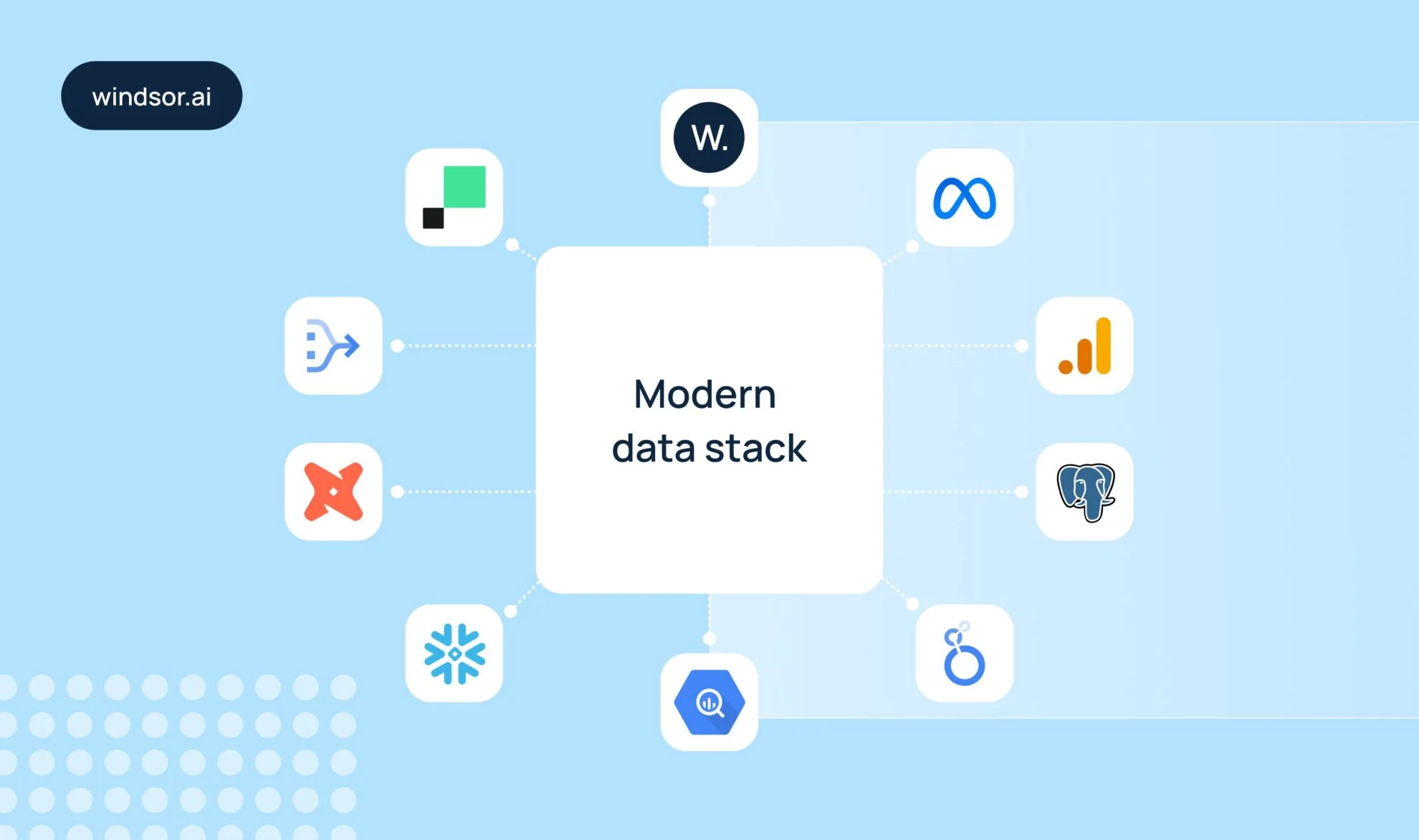
Think of a central data layer as the “brain” of your operation. Instead of information scattered across emails, PDFs, and local hard drives, all your property-level data flows into a single digital warehouse. This layer sits underneath your various tools and organizes everything from square footage and tenant names to complex debt structures and ESG metrics.
When you have a central data layer, you aren’t just looking at a digital version of a paper report. You are looking at a living ecosystem. If a property manager updates a tenant’s insurance status, that information is immediately visible to the risk officer. If a broker logs a new tour, the asset manager can see the pipeline movement without having to pick up the phone. It turns your firm from a collection of individuals into a synchronized machine.
Read Also: The Benefits of Using Software for Tech Expense Management
Streamlining the Workflow
Modern teams are using this tech to reclaim their time. Think about the hours spent “scrubbing” data before a quarterly reporting cycle. In the old model, that meant a week of manual entry and triple-checking formulas. With a unified data stack, those reports can be generated with a few clicks because the data has been cleaned and verified at the point of entry.
Beyond just saving time, this shift changes the quality of the work. When you aren’t stuck in the weeds of data entry, you can actually be an analyst. You can look at market trends, identify underperforming assets, and pivot your strategy with confidence. This is where cre software has truly evolved; it has moved from being a simple digital filing cabinet to a proactive partner in decision-making.
Scaling Without the Chaos
Growth is the goal, but growth without a proper data stack is a nightmare. Adding ten more properties to a spreadsheet-based system usually means adding three more people just to manage the paperwork. It is a linear, expensive way to scale.
A central data layer allows for exponential growth. Because the infrastructure is already there, adding the 100th property is just as easy as adding the 10th. The workflows stay the same, the reporting stays consistent, and the leadership team maintains a high-level view of the entire portfolio without getting lost in the noise. This scalability is what separates the legacy firms from the modern powerhouses.
Final Word
The shift away from manual tracking is not just about being tech-savvy; it is about survival in a market that moves faster than ever. By embracing a central data layer and utilizing next-gen commercial real estate software for professionals, teams can finally stop fighting their data and start using it to win deals. It is time to close the spreadsheet and open a new way of working built for the future of the industry.