How Artificial Intelligence is Shaping the Future of Work

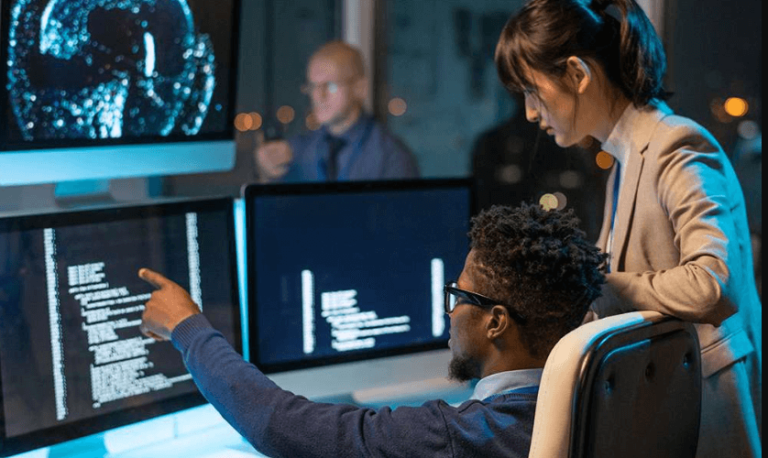
Artificial Intelligence (AI) is no longer a futuristic concept—it is here, transforming how we live, communicate, and especially how we work. From streamlining tasks to reshaping entire industries, AI is influencing the future of work at an unprecedented scale. As organizations embrace automation, machine learning, and advanced analytics, employees and businesses alike are facing both new opportunities and challenges.
The Rise of AI in the Workplace
AI adoption has surged across industries. According to recent studies, more than 50% of organizations have integrated AI into at least one business function. From chatbots that handle customer service to algorithms that detect fraud, the applications are vast and continuously expanding. This surge reflects AI’s potential to reduce costs, improve efficiency, and enhance decision-making.
Automation of Repetitive Tasks
One of the most noticeable changes AI brings is the automation of repetitive and mundane tasks. Roles that involve data entry, scheduling, inventory management, and other rule-based activities are now being handled by AI-powered systems. This allows human employees to focus on tasks requiring creativity, critical thinking, and emotional intelligence—areas where machines cannot fully replace humans.
The Shift in Job Roles and Skills
While AI is automating certain jobs, it is also creating new ones. Roles such as AI trainers, data analysts, and machine learning engineers are in high demand. Similarly, soft skills like problem-solving, adaptability, and communication are becoming more valuable as humans collaborate with intelligent machines. Workers of the future will need to continuously upgrade their skills to stay relevant in an AI-driven economy.
AI and Remote Work
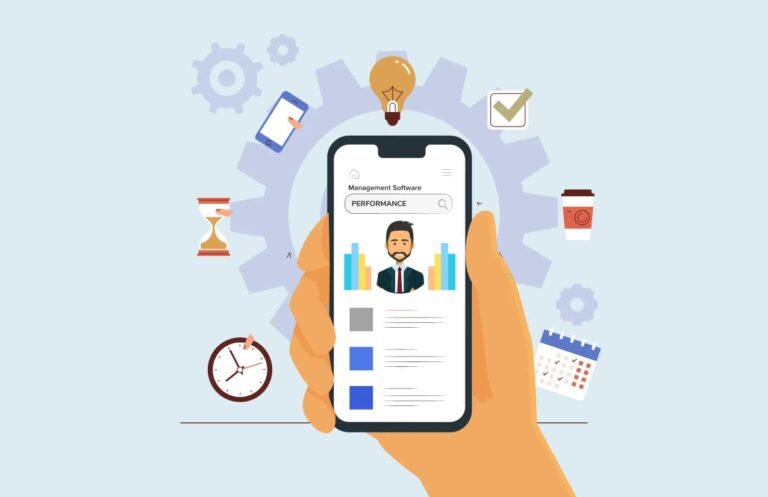
The global shift to remote work during the COVID-19 pandemic accelerated AI adoption. AI-powered collaboration tools, virtual assistants, and project management platforms have made it easier for teams to work remotely and across time zones. Predictive analytics also help managers allocate resources effectively, ensuring productivity regardless of location.
Enhancing Decision-Making
AI is revolutionizing business decision-making by analyzing vast amounts of data with speed and accuracy. Companies now use AI-driven insights to forecast market trends, personalize customer experiences, and optimize operations. This reduces risks and allows businesses to stay competitive in fast-changing environments.
Ethical and Workforce Challenges
The rise of AI also brings challenges. Concerns about job displacement, data privacy, and algorithmic bias are growing. Workers fear losing their jobs to automation, while organizations must ensure ethical AI use to avoid discrimination and unfair practices. Governments and businesses are increasingly focusing on policies and frameworks to ensure AI is implemented responsibly.
The Human-AI Collaboration Model
Instead of replacing humans, the future of work is likely to be a collaboration between people and machines. AI will serve as a powerful tool to augment human capabilities, not eliminate them. For instance, doctors can use AI to analyze scans more quickly, but the final diagnosis and empathy in patient care remain human responsibilities.
Preparing for the AI-Driven Future
To prepare for this transformation, individuals and organizations must take proactive steps:
- Upskilling and Reskilling: Workers should invest in learning digital and analytical skills.
- Adaptability: Embracing lifelong learning and adaptability will be crucial.
- Ethical Awareness: Businesses must prioritize transparency and fairness in AI systems.
- Policy and Regulation: Governments should create frameworks that balance innovation with workforce protection.
Conclusion
Artificial Intelligence is not just shaping the future of work—it is redefining it. While automation may replace some roles, it also unlocks new possibilities, fosters innovation, and enhances human potential. The future of work will be built on a partnership between humans and machines, where creativity, empathy, and technology combine to drive progress. By embracing change, investing in skills, and addressing ethical challenges, society can ensure that AI leads to a future of opportunity rather than uncertainty.