Media Crew Security Services: Best Practices for Film Sets, Live Shoots, and Travel Days
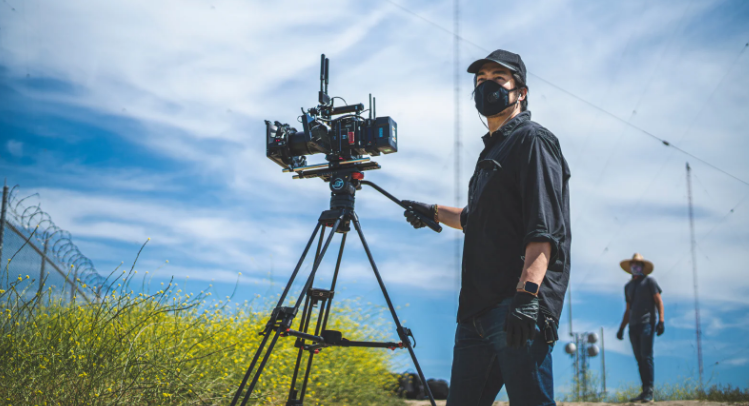
Film sets and media crews have one big challenge that most industries don’t: you’re working in public, with expensive gear, tight schedules, visible talent, and constant movement. That combination creates risk—whether it’s theft, crowd interference, harassment, location leaks, or a situation that escalates fast during a live shoot.
That’s why more production teams are investing in Media crew security services. Not to “look tough,” but to keep operations smooth, protect people and equipment, and prevent disruptions that cost time, money, and reputation.
Below are practical best practices for film sets, live shoots, and travel days—written for producers, production managers, and crew leads who need real-world solutions.
1) Start With a Simple Risk Profile (Before the Call Sheet Goes Out)
Every shoot has a different risk level. A controlled studio set is not the same as a street shoot. A celebrity interview is not the same as a documentary crew in a tense environment.
Before finalizing logistics, identify:
- Public visibility (Will crowds form? Will talent be recognizable?)
- Location risk (theft rates, foot traffic, local tensions, protest potential)
- Schedule sensitivity (live broadcast vs. flexible filming)
- Equipment value and exposure (cameras, drones, lighting trucks, sound gear)
- Online exposure risk (fans tracking talent, location leaks, social posts)
Effective Media crew security services begin with planning—not reacting.
2) Control the Perimeter Without Killing the Vibe
Most production disruptions happen when the set perimeter is “soft.” People wander in. Bystanders step into shots. Someone grabs gear. A small crowd turns into a big one.
Best practices:
- Create a clear set boundary using cones, tape, barricades, or vehicles
- Use controlled entry points (one way in, one way out when possible)
- Position security at natural choke points, not random corners
- Keep the crew’s staging area out of public flow paths
- Maintain a calm, professional tone—no shouting matches
Good Media crew security services protect the workflow while keeping the set professional and non-hostile.
3) Credentialing: The Most Ignored Security Tool on Set
If you don’t know who belongs, you can’t control access.
Practical options:
- Color-coded wristbands (crew / vendor / talent / VIP)
- Badges with photos for longer productions
- Daily check-in list for rotating crew and contractors
- “No badge, no access” rule (even for “someone’s friend”)
The biggest breaches happen through familiarity and assumptions. Strong Media crew security services enforce access rules politely, consistently, and early.
4) Secure the Gear Like It’s Cash (Because It Basically Is)
A camera package on a cart can be worth more than a car. And theft often happens in seconds—especially during breaks, meal periods, or location moves.
Best practices:
- Never leave gear unattended in public-facing areas
- Use a locked gear zone with one controlled point of access
- Assign responsibility (who owns the cart, who watches the truck)
- Park production vehicles strategically to block casual access
- Keep cases closed and labeled discreetly (avoid “CAMERA” labels)
This is a core function of Media crew security services: protecting high-value equipment without slowing production.
5) Talent and On-Camera Person Protection (Without Turning It Into a Scene)
If you’re filming executives, celebrities, public figures, or controversial subjects, the risk shifts from “gear theft” to “people risk.”
Best practices:
- Use a private arrival and exit path whenever possible
- Keep talent holding areas out of public view
- Position security to protect blind spots during interviews and transitions
- Control meet-and-greet moments (photos can become crowd surges)
- Use de-escalation first—avoid confrontations that go viral
This is where experienced providers like American Strategic Consulting, PLLC can help—because protection needs to be discreet, reputation-aware, and operationally clean.
See also: Green Technology How Kenneth MyGreenBucks is Leading the Way
6) Live Shoots: Have a “Move Now” Plan
Live shoots are high pressure. There’s no “cut” if something escalates. Your plan needs to be simple enough to execute instantly.
Every live team should have:
- A clear “move now” phrase (no debate)
- A designated safe direction or fallback location
- Vehicle staging for fast relocation
- A rule for what gear is grabbed vs. left behind
- A comms plan if cell networks jam (radio or backup channel)
Well-run Media crew security services make live operations feel stable—even when the environment isn’t.
7) Travel Days Are Often the Riskiest Days
Travel days combine fatigue, unfamiliar environments, luggage, gear, and predictable timing. That’s a perfect storm for theft and unwanted attention.
Best practices:
- Stagger movement when possible (don’t move as one huge visible group)
- Keep hotel info limited (need-to-know only)
- Avoid posting real-time locations during travel
- Plan vehicle loading so gear isn’t exposed on sidewalks
- Use secure parking and controlled pickup points
Strong Media crew security services treat travel as part of the production—not an afterthought.
8) Coordinate With Local Authorities (When Appropriate)
You don’t always need law enforcement, but for certain shoots—large crowds, street closures, sensitive topics—it helps to coordinate.
Security teams can:
- Confirm what permits actually cover
- Establish contact points for rapid assistance
- Help reduce conflict with bystanders and local staff
- Keep production compliant and calm
The goal is smoother operations, not escalation.
9) Make Security a Production Partner, Not a Separate Team
Security works best when it integrates with the production plan.
That means:
- Security sees the call sheet (or at least relevant timing blocks)
- Producers and security agree on movement points
- Locations and staging are planned together
- The team understands filming needs (angles, quiet zones, mic sensitivity)
When aligned, Media crew security services reduce disruption and keep the shoot on schedule.
Final Thoughts
Production environments are dynamic—public sets, expensive equipment, time pressure, and unpredictable crowds. The best approach is prevention: control access, plan movement, protect gear, and keep the team calm.
Done correctly, Media crew security services don’t “take over” the set—they support it. They keep crew members focused, protect assets, and reduce disruptions so filming stays smooth from call time to wrap.
For crews needing discreet, operationally focused protection across sets, live shoots, and travel days, American Strategic Consulting, PLLC provides security support designed to integrate with real production workflows—keeping people safe without getting in the way of the work.