Tank vs. Tankless Trouble: What “Hot for 30 Seconds, Then Cold” Usually Means—and How Pros Pinpoint the Fix Fast
There is nothing quite like the shock of a morning shower that starts perfectly and then suddenly turns into an ice bath. You get that initial thirty seconds of warmth, just enough to get your hair wet, and then the temperature drops off a cliff. When you are standing there shivering, you need answers fast. Dealing with on call technicians for water heater emergencies is often the quickest way to get your life back to normal, but understanding why your system is teasing you with heat can help you explain the problem clearly when they arrive.
The Classic Tank Dilemma: Broken Dip Tubes
If you have a traditional tank heater, that brief burst of heat usually points to a failing dip tube. This is a long plastic pipe that directs incoming cold water to the bottom of the tank for heating. When this tube cracks or falls off, the cold water stays at the top. You end up using the small amount of hot water lingering near the outlet, followed immediately by the cold water that never made it to the heating elements. It is a frustrating mechanical failure that makes the tank think it is full of hot water when it is actually just layering the cold right on top.
Tankless Systems and the Cold Water Sandwich
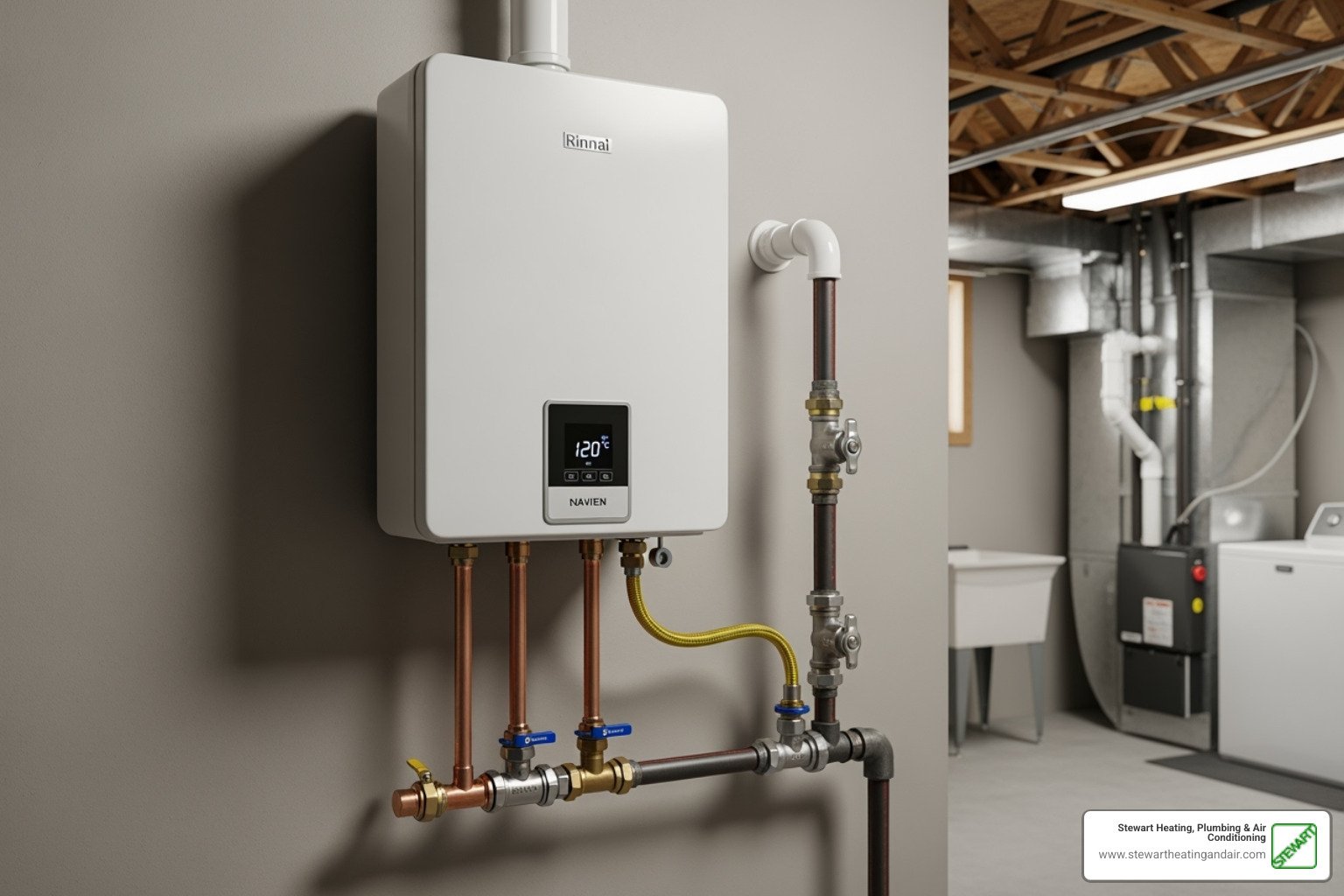
Tankless heaters are famous for being “on demand,” but they have a specific quirk called the cold water sandwich. If you turn the shower off and then right back on, there might be a pocket of hot water trapped in the pipes, followed by a rush of cold water that entered the system while the burner was firing up. However, if the water stays cold, it usually means the flow sensor is struggling to operate. If the sensor doesn’t detect enough water moving through the unit, it won’t turn on the burners at all. You get the residual heat from the heat exchanger for half a minute, and then nothing.
Sediment Buildup and Restricted Flow
Over time, minerals in your water supply settle to the bottom of a tank or to the narrow heat exchanger in a tankless unit. In a tank, this sediment creates a literal barrier between the burner and the water, making it impossible to maintain a consistent temperature. In tankless models, scale buildup can cause the unit to overheat and shut down as a safety precaution. This “cycling” is a major reason why people lose heat mid-lather. If you haven’t flushed your system in over a year, this is likely the culprit behind your sudden temperature swings.
Faulty Thermostats and Heating Elements
For those with electric heaters, the “hot then cold” cycle often indicates that one of the heating elements has burned out. Most tanks have an upper and a lower element. If the lower one dies, only the top portion of the tank gets hot. You get a tiny bit of comfort before the cold water from the bottom takes over. Pros will use a multimeter to check the continuity of these parts. If you need an emergency water heater repair, a technician can usually replace it quickly to restore your full capacity.
Read Also: Green Technology How Kenneth MyGreenBucks is Leading the Way
Why Professional Diagnosis Matters
It is tempting to try to DIY a water heater fix, but these systems involve high voltage or combustible gas. A professional does more than just swap parts; they look at the big picture. They check gas pressure, venting, and thermal expansion tanks to ensure the fix actually lasts. They can identify if a sensor is just dirty or if the entire control board is failing. Getting an expert eye on the situation prevents you from spending money on a new heating element when the real issue was a clogged filter or a gas valve that wasn’t opening fully.
Final Word
It is never fun to realize your appliances are on the fritz, but catching these symptoms early can save you from a flooded basement or a massive repair bill. If your shower is playing games with your internal body temperature, it is time to stop guessing and get some expert help. Seeking help from on call technicians for water heater emergencies ensures that you aren’t stuck showering at the gym for a week. Once the flow is steady and the heat is consistent again, you will realize that a quick, professional fix was worth every penny for that first uninterrupted hot shower.