The Essential Role of a Residential Building Inspector
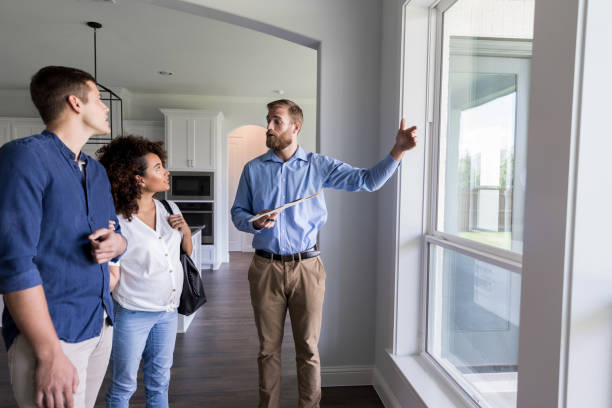
When purchasing, selling, or maintaining a home, one of the most important steps in ensuring safety, quality, and compliance is hiring a residential building inspector. These professionals play a crucial role in assessing the condition of residential properties and identifying potential issues that could impact both safety and investment value. Whether you are a first-time homebuyer or a seasoned property owner, understanding the responsibilities, processes, and benefits of residential building inspections is essential.
What Is a Residential Building Inspector?
A residential building inspector is a trained professional responsible for evaluating the condition of residential properties. Their primary goal is to provide a comprehensive assessment of a home’s structural integrity, safety, and overall condition. They examine a wide range of elements, from the foundation to the roof, electrical systems, plumbing, and even minor cosmetic issues that could affect the value of the property.
Unlike contractors or handymen, building inspectors are independent and impartial. Their inspections are designed to provide unbiased information to homeowners, potential buyers, and real estate agents, helping them make informed decisions about property purchases, sales, or maintenance.
Why Residential Building Inspections Are Important
Residential building inspections offer numerous benefits, and their importance cannot be overstated:
- Safety Assurance:
A building inspector identifies hazards such as faulty wiring, structural weaknesses, mold growth, or plumbing issues that could compromise the safety of the occupants. Early detection of these problems helps prevent accidents or expensive emergency repairs. - Financial Protection:
Purchasing a home without a thorough inspection can lead to unexpected costs for repairs or renovations. An inspection report highlights existing problems, allowing buyers to negotiate repair costs or request fixes before finalizing the sale. - Legal Compliance:
Inspectors ensure that a property meets local building codes and regulations. This is particularly important for renovations, additions, or older homes that may have been built before current safety standards were enforced. - Maintenance Planning:
Even for current homeowners, regular inspections help in identifying maintenance needs. This proactive approach extends the life of key systems such as roofs, HVAC units, and plumbing, saving money over time.
What Does a Residential Building Inspector Check?
A residential building inspector conducts a thorough examination of the property. While the exact scope may vary depending on location and type of property, common areas of inspection include:
- Structural Elements:
Inspectors assess the foundation, walls, floors, and roof to identify cracks, water damage, settling, or other structural concerns. - Roofing and Gutters:
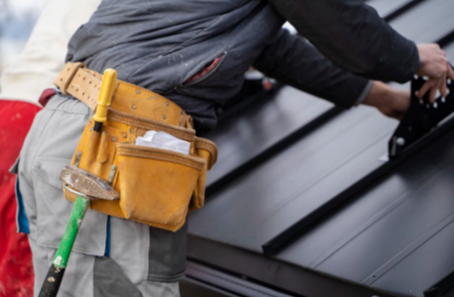
They evaluate the condition of shingles, tiles, or metal roofing, as well as gutters and downspouts, to ensure proper drainage and weather resistance. - Plumbing Systems:
Pipes, faucets, water heaters, and drainage systems are checked for leaks, corrosion, and proper functionality. - Electrical Systems:
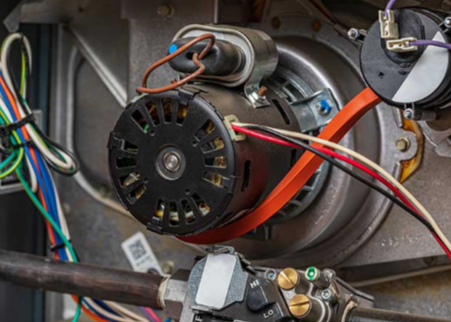
Inspectors examine wiring, outlets, circuit breakers, and electrical panels for safety compliance and potential fire hazards. - Heating, Ventilation, and Air Conditioning (HVAC):
The efficiency, functionality, and safety of heating and cooling systems are evaluated to ensure comfort and energy efficiency. - Interior and Exterior Conditions:
Walls, ceilings, floors, windows, doors, and exterior finishes are inspected for damage, wear, or signs of water infiltration. - Pest Infestations:
Signs of termites, rodents, or other pests may be noted, especially if they pose a threat to the structural integrity of the property.
See also: Starting Your Business in Hong Kong
The Residential Building Inspection Process
The inspection process is methodical and structured. Typically, it follows these steps:
- Scheduling the Inspection:
The buyer or homeowner contacts a licensed building inspector to schedule an appointment. It is best to choose a certified and experienced inspector for reliable results. - Pre-Inspection Preparation:
Homeowners may be asked to provide access to key areas, including basements, attics, and crawl spaces. Any prior repair or maintenance records may also be helpful. - On-Site Inspection:
The inspector spends several hours examining the property. They use specialized tools to detect issues not visible to the naked eye, such as moisture meters for detecting hidden leaks. - Inspection Report:
After the visit, the inspector prepares a detailed report outlining findings. This report includes photographs, descriptions of defects or hazards, and recommendations for repairs or maintenance. - Review and Discussion:
The inspector reviews the report with the homeowner or buyer, answering questions and clarifying any concerns. This ensures that all parties understand the condition of the property before making decisions.
Choosing the Right Residential Building Inspector
Selecting a qualified inspector is vital for a thorough and reliable evaluation. Key factors to consider include:
- Certification and Licensing:
Many regions require building inspectors to hold certifications or licenses. Check local regulations and ensure your inspector meets these requirements. - Experience:
Inspectors with years of experience in residential properties are more likely to identify subtle issues and provide practical recommendations. - Reputation:
Reviews, references, or professional associations can help verify the credibility of the inspector. - Comprehensive Services:
Choose an inspector who offers a detailed inspection covering structural, mechanical, electrical, and plumbing systems. Some may also provide specialized services like pest inspections or energy audits.
Common Misconceptions About Residential Building Inspections
There are several misconceptions surrounding building inspections:
- “New homes don’t need inspections.”
Even newly constructed homes can have defects or incomplete work. An inspection ensures that all aspects meet safety and quality standards. - “Inspections are only for buyers.”
Homeowners can benefit from inspections as part of routine maintenance to prevent major repairs and extend the life of their property. - “Inspectors will fix the problems.”
Inspectors identify and report issues but do not perform repairs. Their role is advisory, allowing homeowners to make informed decisions about necessary work.
How Inspections Impact Real Estate Transactions
For buyers, a building inspection report is a critical tool in negotiations. It may influence the purchase price, lead to repair requests, or even help a buyer decide to walk away from a risky property. Sellers also benefit by identifying issues beforehand, allowing them to address problems proactively and present their home in the best possible condition.
The Future of Residential Building Inspections
Advances in technology are shaping the future of residential inspections. Tools like infrared cameras, drones, and 3D imaging allow inspectors to detect hidden issues more accurately and efficiently. Additionally, digital reporting platforms streamline the process, making it easier for clients to access detailed reports and photographs.
Sustainability and energy efficiency are becoming increasingly important in residential inspections. Inspectors now often evaluate energy consumption, insulation quality, and the condition of renewable energy systems, helping homeowners reduce costs and environmental impact.
Conclusion
A residential building inspector is a vital ally for anyone involved in property transactions or maintenance. Their expertise provides peace of mind, financial protection, and a clearer understanding of a property’s condition. From identifying safety hazards to helping homeowners plan for future maintenance, inspections ensure that a home remains safe, functional, and valuable.
Whether you are buying your first home, selling a property, or simply maintaining your existing residence, scheduling a residential building inspection is a smart and responsible decision. By working with a qualified and experienced inspector, you can make informed choices, protect your investment, and enjoy your home with confidence.