When Does Your Business Premise Need Commercial Deep Cleaning? Key Warning Signs
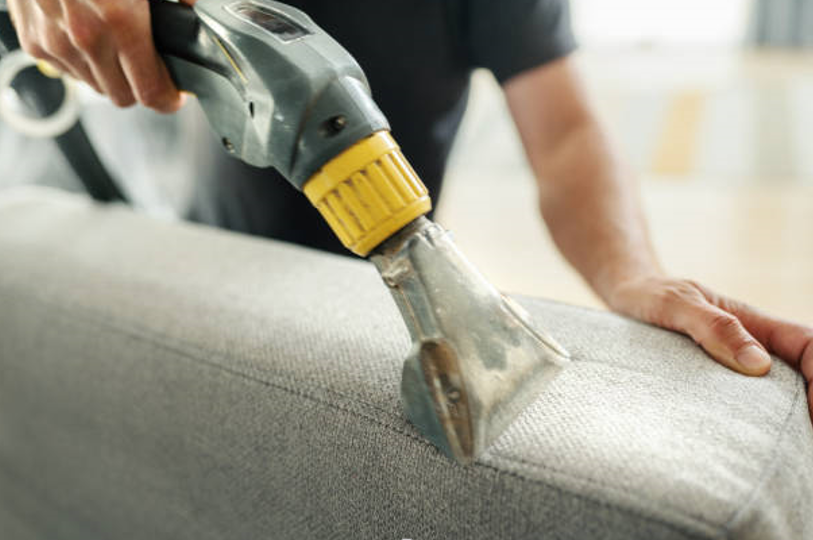
Most business owners wait too long to get their premises cleaned properly. They notice the grime building up in corners, the stale smell in the break room, or the grimy keyboards that nobody wants to touch. But they think regular cleaning is enough. It’s not. Regular cleaning handles surface dirt. It keeps things looking acceptable. But commercial deep cleaning services tackle what you can’t see. The bacteria colonies in air vents. The allergens trapped in carpet fibres. The pathogens thriving in areas your cleaners miss every single day.
Here’s the uncomfortable truth: if you’re asking whether your business needs deep cleaning, you probably already needed it three months ago.
Your Staff Keep Getting Sick
Notice how often people call in sick? Maybe it’s just bad luck. Or perhaps your office has become a breeding ground for illness.
The Health and Safety Executive reports that workplace cleanliness directly impacts employee health. When commercial deep cleaning services get neglected, germs accumulate on shared surfaces. Door handles, lift buttons, shared equipment. These turn into transmission points for colds, flu, and other infections.
If your team experiences frequent respiratory issues, allergies, or unexplained illnesses, the workspace might be making them sick. Deep cleaning removes the biological hazards that regular wiping can’t touch. Think about the cost. One sick employee affects productivity. Five sick employees? That’s a crisis that hits your bottom line harder than any cleaning service ever could.
Visible Grime in Hard-to-Reach Areas
Look up. Really look at your ceiling vents, light fixtures, and the tops of cabinets.
See that layer of dust? That’s not just dirt. It’s dead skin cells, fabric fibres, pollen, and potentially harmful particles circulating through your ventilation system. Every time the heating kicks on, you’re redistributing that contamination throughout your workspace.
Check behind furniture, under desks, and in storage areas. If you find thick dust, sticky residue, or visible mold, your regular cleaning routine isn’t cutting it. These areas need professional attention before they become health hazards.
Grime builds slowly. You might not notice it day to day. But clients do. They walk into your reception area and sense something’s off. The space feels tired, neglected, or just slightly grimy. First impressions matter, and a visibly dirty workspace screams that you don’t care about details.
Carpets Look Dull or Smell Musty
Carpets hide their dirt well. Until they don’t.
If your carpets have lost their original colour, feel rough underfoot, or emit odours, they’re overdue for deep cleaning. Regular vacuuming only removes surface debris. The real problem lives deeper in the pile.
Carpets trap allergens, dust mites, bacteria, and moisture. Over time, this creates an unhealthy environment. The British Lung Foundation notes that poor indoor air quality contributes to respiratory problems. Your flooring might be the culprit.
Musty smells indicate mould or mildew growth. This isn’t just unpleasant. It’s a health risk. Mould spores cause allergic reactions, asthma attacks, and other respiratory issues. Once established, surface cleaning won’t eliminate it.
You need extraction cleaning that pulls contaminants from deep within carpet fibres. Waiting makes the problem worse and more expensive to fix.
See also: Best Tile Cleaning Near Me: Transform Your Home with Expert Services
High-Traffic Areas Show Heavy Wear
Reception areas, corridors, and communal spaces take a beating. These zones accumulate dirt faster than other areas because hundreds of feet pass through daily.
When high-traffic areas look noticeably worse than the rest of your space, that’s your warning sign. The grime isn’t just aesthetic. It contains tracked-in bacteria, viruses, and pollutants from outside.
NHS guidelines recommend thorough cleaning of high-traffic areas to reduce infection transmission. Standard cleaning maintains these spaces. Deep cleaning restores them and removes embedded contamination that daily mopping can’t reach.
If your entrance mats are saturated with dirt, your floors show black trails, or walls near doorways look grimy, you’re past due for professional intervention.
Unpleasant Odours Won’t Go Away
Bad smells are your business telling you something’s wrong.
Kitchens develop odours from grease buildup and food residue in hidden spots. Bathrooms smell despite daily cleaning because bacteria colonise grout, drains, and behind fixtures. General workspace odours indicate inadequate ventilation or biological growth somewhere.
Air fresheners mask problems. They don’t solve them. If you’re constantly fighting odours, you need to eliminate the source. Deep cleaning addresses the root causes rather than covering them up.
Clients notice smells immediately. They might not mention it, but they remember. An office that smells stale or unclean damages your professional reputation more than almost anything else.
It’s Been Over Six Months
Perhaps the simplest warning sign is time itself.
Most commercial spaces need deep cleaning every 3-6 months, depending on usage. Offices with heavy foot traffic need it more frequently. Quieter spaces might stretch to twice a year.
If you can’t remember your last deep clean, you’re overdue. The longer you wait, the harder and more expensive the job becomes. Grime that could be removed easily at three months becomes stubborn and damaging at twelve months.
Taking Action
Your employees deserve a healthy workspace. Your clients deserve to walk into an environment that reflects your standards.
The question isn’t whether you need deep cleaning. It’s whether you can afford to wait any longer.