Why Jam Nuts Are Your Best Friend Against Loosening Bolts
You know that sinking feeling when you discover a critical bolt has worked itself loose? It happens more often than most people realise, and the consequences can range from annoying to downright dangerous.
Jam nuts offer a straightforward solution to this age-old problem. These aren’t fancy high-tech fasteners. They’re simply two nuts working together to create a locking system that outperforms single-nut installations.
The Loosening Problem Nobody Talks About
Bolts don’t stay tight on their own. That’s just the reality of threaded fasteners in the real world.
Vibration attacks every connection. Machinery vibrates. Vehicles shake. Buildings sway in the wind. Each tiny movement works against the friction holding your nuts in place.
Temperature changes add another layer of complexity. Metal expands when hot, contracts when cold. This constant cycling puts stress on threaded connections that weren’t designed to handle such movement.
What starts as a properly torqued connection slowly degrades over time. The first few degrees of rotation happen so gradually that you won’t notice. Then one day, disaster strikes.
How Jam Nuts Actually Work
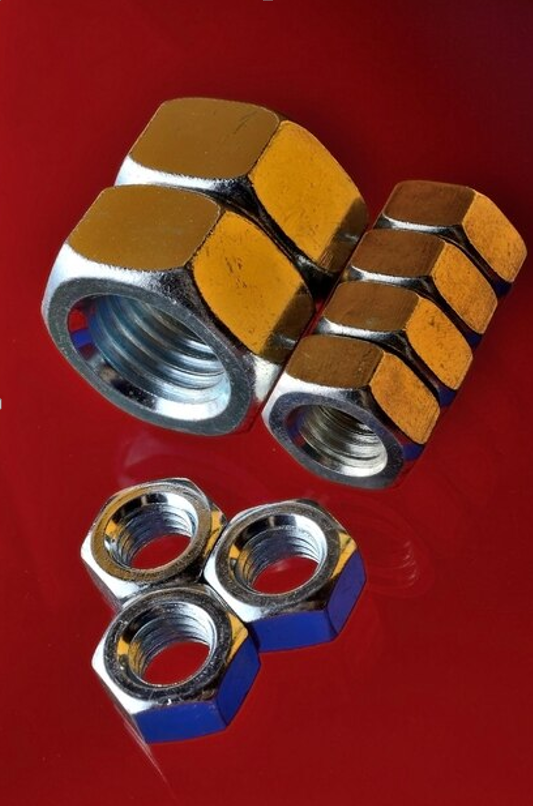
The concept seems almost too simple to be effective. Two nuts on one bolt, tightened against each other.
The first nut (your jam nut) sits closest to the bolt head. The second nut (your main nut) carries the primary load. When properly installed, these nuts create opposing forces that lock both in position.
Physics does the rest. When vibration tries to loosen one nut, the other nut resists. The threads can’t move freely because they’re trapped between conflicting forces.
This mechanical advantage costs virtually nothing extra. You’re using standard hardware in a smarter configuration.
Where Jam Nuts Prove Their Worth
Car suspension systems deal with constant hammering from road surfaces. Loose suspension bolts create dangerous handling problems. Mechanics who understand this reality use jam nuts on critical adjustment points.
Factory machinery runs for thousands of hours between maintenance shutdowns. Equipment operators can’t afford surprise failures from loose connections. Jam nuts provide the reliability that keeps production lines moving.
Thread pitch becomes crucial in high-vibration environments. Fine threads offer more surface area for the locking action to grip. Coarse threads might be easier to install, but they give vibration more leverage to work against.
Construction sites present extreme conditions. Dust, moisture, temperature swings, and constant vibration test every fastener. Standard nuts often surrender to these forces. Jam nuts fight back.
Getting the Installation Right
Most jam nut failures trace back to improper installation. The process requires patience and attention to detail.
Start with both nuts loose on the bolt. Position your main nut first, leaving room for the jam nut to thread down against it.
Tighten your main nut to the specified torque. This nut bears the actual load, so it needs proper tension.
Now comes the critical step. Thread your jam nut down until it contacts the main nut. Hold the main nut steady while you tighten the jam nut against it.
The tightening action between the nuts creates your locking mechanism. Skip this step, and you’ve just installed two separate nuts that will both come loose eventually.
See also: Why Smart Technology and Solar Go Hand-in-Hand
Mistakes That Waste Your Effort
Rushing the process defeats the purpose. Some technicians thread two nuts onto a bolt and call it finished. Without proper tightening against each other, jam nuts provide no advantage over single nuts.
Using mismatched nuts seems logical, but creates problems. Different materials expand at different rates. Mixed thread pitches distribute stress unevenly. Stick with identical nuts for best results.
Over-torquing tempts people who want extra insurance. This approach can strip threads or stress the bolt beyond its design limits. Follow torque specifications rather than guessing.
Material Choices That Make Sense
Stainless steel handles corrosive environments better than carbon steel. The extra cost often pays back through reduced maintenance needs and longer service life.
Carbon steel provides superior strength for heavy-duty applications. Proper corrosion protection keeps these nuts functioning reliably for years.
Galvanised coatings offer middle-ground protection. They cost less than stainless steel but provide better corrosion resistance than bare steel.
Maintenance That Actually Matters
Visual inspection catches problems early. Look for gaps opening up between nuts, disturbed paint marks, or corrosion staining around connections.
Scheduled retorquing prevents small problems from becoming big failures. Build jam nut checks into your routine maintenance procedures.
Structural connections in bridges and buildings require special attention. These systems carry enormous loads and face decades of service. Regular inspection programmes help identify connections that need attention before failure occurs.
When Jam Nuts Don’t Make Sense
Extreme temperatures can overwhelm the locking mechanism. Metal expansion might generate forces that exceed the nuts’ ability to stay locked together.
Space limitations sometimes rule out double nuts. Tight clearances might not accommodate the extra length that jam nuts require.
Frequent disassembly makes jam nuts impractical. Applications that need regular access might benefit from quick-release mechanisms instead.
Cost Considerations Nobody Mentions
Jam nuts double your nut costs but the expense often pays for itself quickly. One prevented failure usually covers the cost of hundreds of jam nut installations.
Installation time increases modestly. The extra steps take practice but become routine once your technicians understand the process.
Long-term maintenance costs typically decrease. Connections that stay tight require less attention over their service life.
Making Smart Decisions
Consider your specific operating environment carefully. High vibration, temperature cycling, and long service intervals all favour jam nut installations.
Think about the consequences of failure. Connections where loosening could cause injury or expensive damage justify the extra effort that jam nuts require.
Don’t overthink simple problems. Jam nuts provide proven reliability without exotic materials or complicated procedures.
Jam nuts won’t solve every fastener problem, but they excel where vibration threatens connection integrity. When your bolts absolutely must stay tight, these simple double-nut systems deliver the mechanical advantage you need. Smart engineers specify jam nuts because they understand that preventing failures beats fixing them every time.