AI in Healthcare: Transforming Diagnosis and Treatment
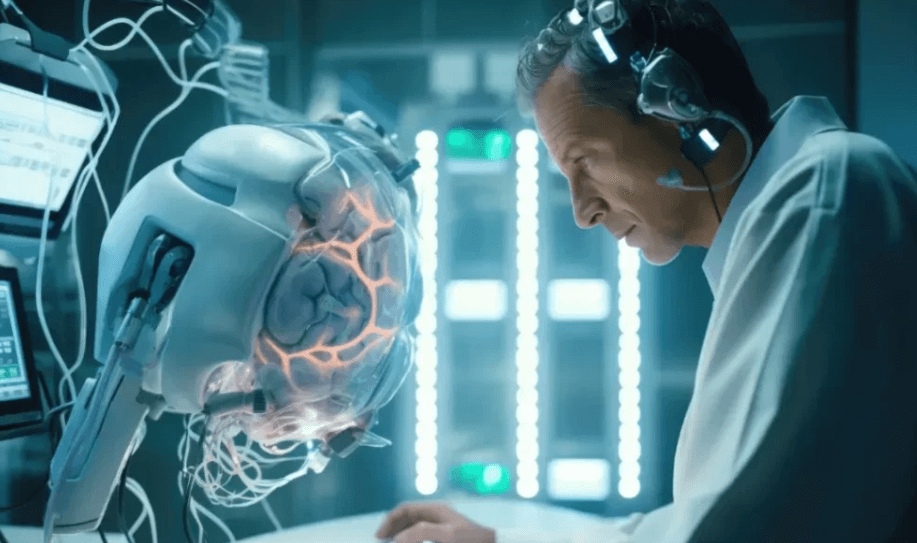
Artificial Intelligence (AI) is rapidly reshaping the healthcare industry, making it smarter, faster, and more accurate than ever before. From diagnosing diseases earlier to personalizing treatments for individual patients, AI is not just an innovative tool—it’s a revolutionary force that is transforming modern medicine.
The Role of AI in Modern Healthcare
AI refers to the use of advanced algorithms and machine learning systems that can analyze large volumes of medical data, recognize patterns, and provide actionable insights. Unlike traditional methods, AI can process data at lightning speed, supporting healthcare professionals in making more informed and timely decisions.
AI in Medical Diagnosis
1. Early Detection of Diseases
AI systems are being used to detect diseases like cancer, heart disease, and diabetes at earlier stages.
- Imaging Analysis: AI algorithms can analyze CT scans, MRIs, and X-rays to spot abnormalities that might be invisible to the human eye.
- Predictive Analytics: By studying patient history and genetic data, AI can predict the likelihood of developing certain conditions.
2. Faster and More Accurate Diagnoses
AI tools reduce human error by providing consistent analysis. For example, AI-powered dermatology apps can identify skin cancer types with accuracy rates comparable to dermatologists.
See also: The Ethics of AI: Balancing Innovation and Responsibility
AI in Treatment and Patient Care
1. Personalized Medicine
Every patient is unique, and AI helps tailor treatments accordingly. By analyzing genetic makeup, lifestyle, and medical history, AI can recommend the most effective therapies for individuals.
2. Robotics in Surgery
Robotic-assisted surgeries powered by AI offer precision and minimal invasiveness. These procedures lead to shorter recovery times, reduced risks, and improved patient outcomes.
3. Virtual Health Assistants
AI-powered chatbots and digital assistants provide round-the-clock support, answering patient questions, reminding them to take medications, and even monitoring symptoms remotely.
Streamlining Healthcare Operations
AI doesn’t only impact diagnosis and treatment—it also improves efficiency across healthcare systems:
- Administrative Automation: Reducing paperwork, scheduling appointments, and handling billing.
- Resource Optimization: Predicting hospital admissions to ensure better allocation of staff and equipment.
- Drug Discovery: AI accelerates the research process, helping pharmaceutical companies develop new drugs faster and at lower costs.
Challenges and Ethical Considerations
While AI has immense potential, it also raises important challenges:
- Data Privacy: Handling sensitive patient information securely.
- Bias in Algorithms: Ensuring fair and unbiased results across diverse patient populations.
- Human Oversight: AI should support—not replace—healthcare professionals, with doctors making final decisions.
The Future of AI in Healthcare
The future promises even more breakthroughs:
- Wearable Devices: Continuous monitoring of vital signs to prevent emergencies.
- AI in Mental Health: Detecting early signs of depression or anxiety through speech and behavior analysis.
- Global Access: Expanding AI-driven healthcare solutions to underserved regions for more inclusive medical care.
Conclusion
AI in healthcare is no longer a futuristic concept—it’s happening now. From enhancing diagnosis to revolutionizing treatment, AI is unlocking possibilities that were unimaginable just a decade ago. While challenges around ethics and data privacy remain, the benefits are undeniable. By combining the precision of machines with the empathy of healthcare professionals, AI has the potential to build a future where medical care is faster, smarter, and more personalized than ever before.