From Tap to Glass: Understanding What Makes Water Truly Safe to Drink
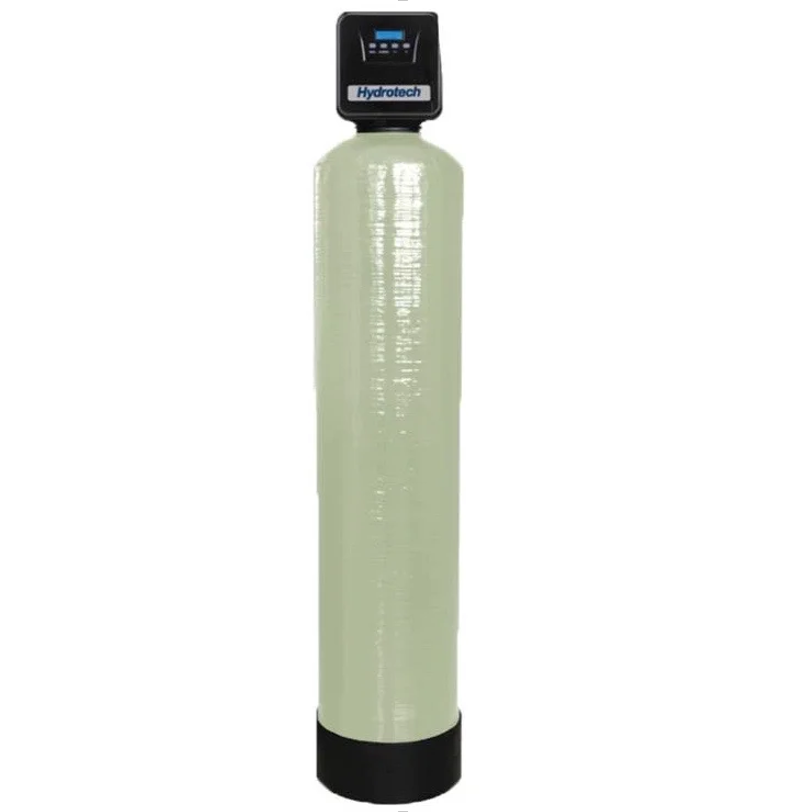
Most families trust their tap water for drinking purposes without question. The assumption is simple: if water flows clear from the tap, it must be safe to drink. This belief carries on until something feels wrong—odd tastes, unusual smells, or concerns about what might be hiding in every glass. What you cannot see in your water may matter more than what you can.
Finding the best drinking water filter requires understanding what actually lurks in your water supply. Clear water does not always mean that it is clean water. Contaminants hide in plain sight, passing through municipal treatment facilities or seeping into private wells from surrounding soil and rock. Some of these substances cause immediate discomfort, though others accumulate slowly in your body over months and years without obvious symptoms.
The Hidden Threats in Your Drinking Water
Sediment and Particulate Matter: Rust particles from aging pipes travel through water systems daily. Sand, silt, and mineral deposits make their way into household plumbing, particularly in areas with older infrastructure or private wells. These particles cloud your water and wear down appliances, though the real concern is what else they carry along with them.
Chemical Residues That Persist: Chlorine keeps municipal water supplies disinfected during transport, yet it remains in your glass when you pour a drink. The chemical taste and smell are obvious, but chlorine byproducts form during the disinfection process. These compounds have raised questions among health researchers for years. Heavy metals like lead and copper leach from old pipes, especially in homes built before modern plumbing standards took effect.
Biological Contaminants: Bacteria find ways into water systems through cracks, flooding, or inadequate treatment processes. E. coli and coliform bacteria signal the presence of sewage or animal waste contamination. Private well owners face higher risks since their water never passes through municipal treatment plants. One heavy rain can change everything in an untreated well.
Mineral Overload: Hard water contains excessive calcium and magnesium that leaves white deposits on fixtures and makes soap nearly useless. High iron concentrations stain sinks orange and give water a metallic taste. These minerals are not necessarily dangerous in small amounts, but they indicate other potential contaminants may be present in your water source.
How Advanced Filtration Removes What You Cannot See
Multi-Stage Protection Systems: Quality filtration uses several barriers to catch different contaminant types. Sediment filters trap larger particles first, preventing them from clogging finer filters downstream. Activated carbon stages absorb chlorine, volatile organic compounds, and many chemical contaminants. The water passes through each stage, becoming progressively cleaner with every step in the process.
Reverse Osmosis Technology: This method forces water through an extremely fine membrane that blocks contaminants at the molecular level. Dissolved solids, heavy metals, and many bacteria cannot pass through the membrane. The rejected contaminants flush away, leaving purified water for drinking and cooking. Reverse osmosis handles threats that basic filters miss entirely.
UV Light Disinfection: Ultraviolet light destroys bacteria, viruses, and other microorganisms without adding chemicals to your water. The UV chamber exposes water to intense light that damages the DNA of harmful organisms. They cannot reproduce or cause illness after UV treatment. This technology works especially well for private well systems where biological contamination poses constant risks.
Whole-House Versus Point-of-Use Systems: Whole-house filtration treats all water entering your home, protecting appliances and providing filtered water at every tap. Point-of-use systems focus on drinking water taps, offering more intensive filtration where it matters most. The right choice depends on your specific water quality issues and household needs.
Protection That Extends Beyond the Glass
Immediate Taste and Odour Improvements: Filtered water tastes noticeably better than tap water in most homes. Chlorine flavours disappear completely. Metallic tastes from iron or copper vanish. Your morning coffee tastes the way it should when made with properly filtered water. Children who refuse tap water often drink filtered water without complaint.
Long-Term Health Considerations: Reducing exposure to contaminants may lower health risks over time. Lead affects children’s development even at low levels. Certain chemicals have been linked to various health concerns by research studies. Filtered water removes these worries from daily life, though perhaps the peace of mind matters just as much as the physical benefits.
Appliance and Plumbing Longevity: Hard water and sediment gradually destroy water heaters, washing machines, and dishwashers. Scale builds up inside pipes, reducing water flow and efficiency. Filtered water extends the lifespan of these expensive appliances significantly. The money saved on repairs and replacements often exceeds the cost of filtration systems within a few years.
Environmental Benefits Worth Considering: Families who filter tap water buy fewer plastic bottles. This small change reduces plastic waste substantially over time. Filtered tap water costs far less per litre than bottled water, saving money on every drink. The convenience of having clean water always available at home cannot be overstated.
See also: AI in Healthcare: Transforming Diagnosis and Treatment
Making the Right Filtration Choice for Your Home
Water Testing Comes First: You cannot treat problems you have not identified. Professional water testing reveals exactly which contaminants exist in your supply. Testing for bacteria, heavy metals, minerals, and chemical compounds provides a complete picture. The results guide you towards filtration systems designed for your specific water quality issues.
Matching Systems to Contaminants: Different filters excel at removing different contaminants. Carbon filters handle chlorine and organic compounds brilliantly but struggle with dissolved minerals. Reverse osmosis removes nearly everything but requires more maintenance. Understanding what your water contains helps you choose appropriate technology rather than wasting money on inadequate solutions.
Maintenance Requirements Matter: Filters need regular replacement to function properly. Cartridges that go unchanged become breeding grounds for bacteria. UV bulbs lose effectiveness over time even when they still produce visible light. A filtration system only protects your family when properly maintained according to manufacturer specifications.
Professional Installation Advantages: Proper installation prevents leaks, ensures adequate water pressure, and maximises filtration efficiency. Experienced technicians spot potential problems before they become costly repairs. The initial investment in professional setup often prevents frustration and expense down the road.
Conclusion
Water safety deserves more attention than most families give it. The contaminants flowing through your taps today may not cause immediate problems, but their long-term effects accumulate silently. Quality filtration technology removes these hidden threats while improving taste and protecting your household investment in appliances. The decision to filter your drinking water is not about luxury or preference—it addresses fundamental health and safety concerns that affect everyone in your home. Take the time to test your water, understand what contaminants you face, and choose filtration systems designed to handle your specific challenges. Your family’s health depends on the quality of water they drink every single day.